
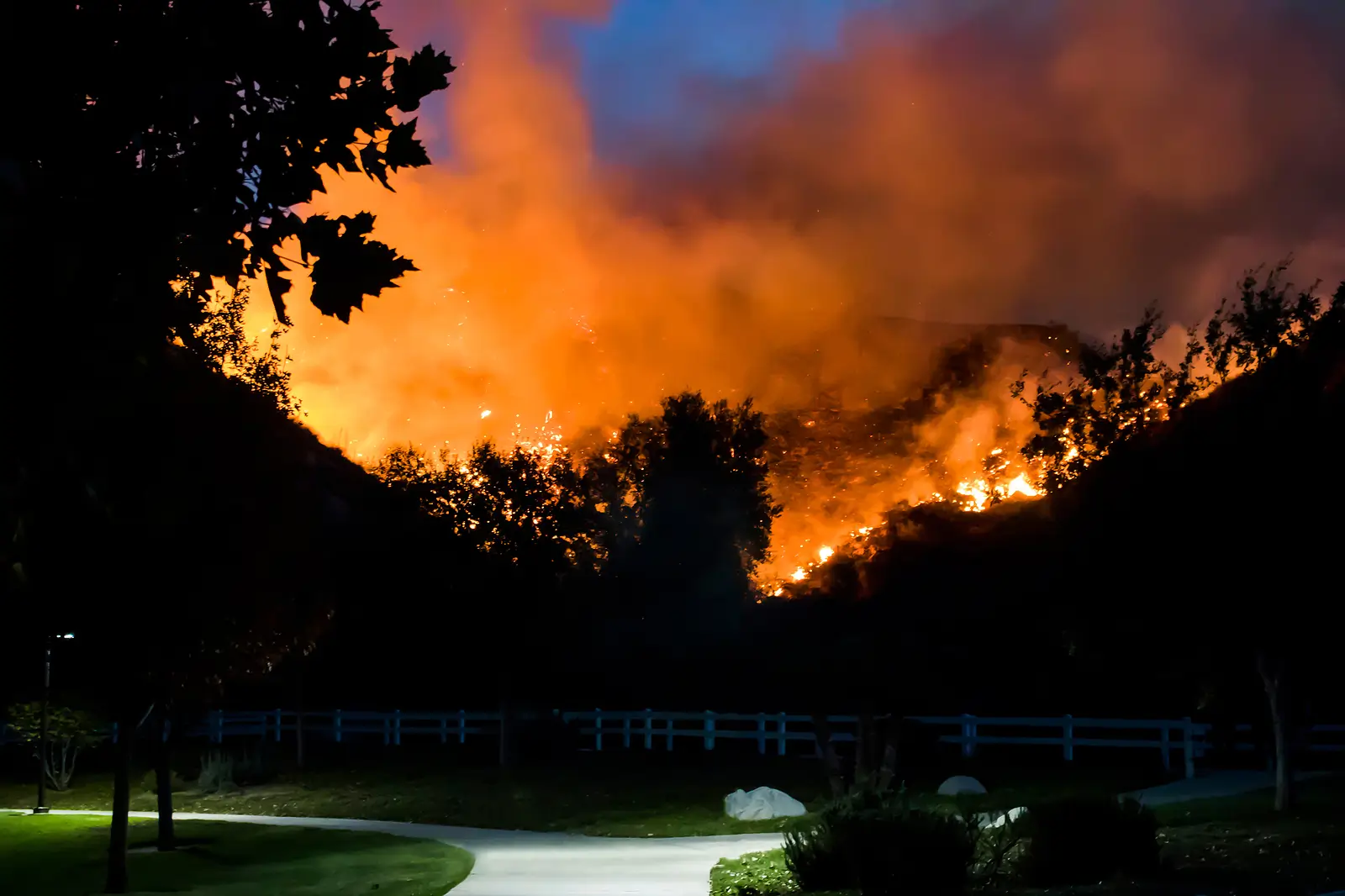
The Smoke Might Clear, But Your Risk Doesn't
A single red flag warning can change everything for a Wine Country rental property—a canceled insurance policy, a scrambled evacuation, a tenant who didn't know where the gas shut-off valve was. Wildfire season in Napa Valley doesn't end when autumn arrives; hot, dry winds can push risk well into late fall. This guide covers what landlords in Napa, Yountville, St. Helena, and beyond need to know now about insurance coverage, defensible space requirements, and tenant preparedness. First & Main Property Management has helped local owners navigate exactly this kind of risk for years, and this article distills that experience into steps you can act on today.
Key Takeaways
California's insurance market is tightening fast—owners need to actively verify coverage rather than assume it renews as-is.
The California FAIR Plan plus a DIC policy can fill gaps when standard carriers pull back from high-risk zones.
Defensible space is a legal requirement, not a suggestion, and it's organized into three distinct zones around your structure.
A documented preparedness checklist—from ember-resistant vents to labeled utility shut-offs—reduces both fire damage and insurance claim friction.
Tenants are part of your fire defense plan, and clear lease addendums and emergency communication keep everyone safer.
Navigating the California Insurance Market
Major carriers have been reducing exposure in high-risk fire zones statewide, and Wine Country is squarely in that conversation. Your policy from two years ago may no longer reflect your actual risk, rebuild cost, or coverage needs. Waiting until renewal season to find out is not a strategy.
Review Your Policy Details
Check whether your policy carries Actual Cash Value (ACV) or Replacement Cost Value (RCV), and confirm that figure reflects current, inflation-adjusted Wine Country construction costs. Building materials and skilled labor in Napa County have both climbed, and an outdated valuation can leave you significantly underinsured after a loss.
What it means: If your dwelling coverage limit hasn't been updated in a few years, you could be rebuilding with a shortfall exactly when costs are highest.
Secure Fair Rental Value Protection
Confirm your policy includes loss of use, or fair rental value, coverage. This piece compensates you for lost rent while your property is uninhabitable during wildfire-related repairs.
Real-world example: An owner near St. Helena whose rental sat vacant for four months after smoke and ash remediation was able to keep collecting a portion of expected rent through this coverage—the difference between a manageable setback and a serious income gap.
Explore the California FAIR Plan
If a traditional carrier drops your coverage, the California FAIR Plan acts as the state's insurer of last resort for basic property coverage. It isn't a full substitute for a standard policy, but it keeps your property insurable when standard markets say no.
Obtain a Difference in Conditions (DIC) Policy
Pair a FAIR Plan policy with a Difference in Conditions (DIC) policy to cover the gaps FAIR doesn't—liability, theft, and water damage among them. Owners who skip this step often don't realize the gap exists until they're filing a claim.
Building Defensible Space, Zone by Zone
Defensible space isn't optional in California—it's mandated under Public Resources Code 4291, and it's one of the most effective tools for slowing or stopping an advancing wildfire. CAL FIRE organizes the requirement into three zones radiating out from the home.
Zone 0: The Ember-Resistant Zone (0-5 Feet)
This is the most critical zone. Remove all wood mulch, dead leaves, and pine needles from the immediate perimeter. Clean roofs and gutters weekly during high-wind season, and install non-combustible gutter guards. Trim any branches hanging over the roofline or within 10 feet of a chimney.
What it means: Embers, not flame fronts, cause most home ignitions. A clean five-foot perimeter denies embers the fuel they need to catch.
Zone 1: The Lean, Clean, and Green Zone (5-30 Feet)
Break up plant continuity by spacing out landscaping islands so fire can't travel horizontally across the yard. Prune lower tree branches up to six feet from the ground to remove fuel ladders that let ground fires climb into canopies. Gravel paths, concrete walkways, and brick patios all double as natural firebreaks here.
Zone 2: The Reduced Fuel Zone (30-100 Feet)
Mow annual grasses to a maximum of four inches, ideally before 10:00 a.m. on cool days. Keep at least 10 feet between tree crowns, more on steeper slopes, and clear fallen logs, branches, and heavy brush accumulation.
Real-world example: A Yountville property with well-maintained Zone 2 spacing was credited by inspectors with slowing an approaching grass fire enough for crews to establish a containment line before it reached structures.
A Preparedness Checklist Worth Following Every Year
Category | Action Item | Target Frequency |
Structural | Install 1/8-inch mesh metal ember screens over attic, crawlspace, and eave vents | Once/Retrofit |
Structural | Replace wood fencing attached to the house with a metal or masonry gate section | Once/Retrofit |
Tenant Safety | Create a bilingual wildfire evacuation plan with designated routes | Annual Review |
Tenant Safety | Install dual-sensor smoke alarms and test them during inspections | Every 6 Months |
Digital | Compile a video-walkthrough inventory of the property for insurance claims | Annual Update |
Utility | Clearly label main gas, water, and electrical shut-off valves | Once |
What it means: Most of these are one-time investments. Once installed and labeled, they keep working for you every fire season without added effort.
Tenant Communication and Shared Responsibility
Tenants play a direct role in real-time fire prevention, so expectations need to be spelled out clearly rather than assumed.
Lease Addendums
Add a wildfire preparedness addendum requiring tenants to keep Zone 0 clear of personal storage, firewood, and debris. This closes one of the most common gaps owners run into—a tenant unknowingly stacking firewood against the house.
Evacuation Registration
Require tenants to register for local emergency alerts, such as Napa County Alerts, so evacuation notices reach them directly rather than through word of mouth.
Utility Shutdown Education
Post clear, visual instructions near utility meters showing tenants how to safely shut off gas or propane valves if an evacuation order is issued. A confused tenant fumbling with a valve during an emergency is a risk you can eliminate in advance.
Frequently Asked Questions
Do I have to complete defensible space work every year, or is it a one-time project?
Some elements, like ember-resistant vents or replacing wood fencing near the structure, are one-time retrofits. Vegetation management within Zones 0-2, however, needs seasonal upkeep since grass, brush, and debris regrow every year.
Will the California FAIR Plan cover everything my old policy did?
No. The FAIR Plan covers basic fire-related property damage only. Most owners pair it with a Difference in Conditions policy to restore protection for liability, theft, and water damage that FAIR Plan policies exclude.
Can I require tenants to maintain defensible space themselves?
You can outline tenant responsibilities, such as keeping Zone 0 free of debris and personal storage, through a lease addendum. Larger vegetation management tasks, like Zone 2 mowing or tree spacing, typically remain the owner's responsibility since they involve the broader property and often specialized equipment.
Wine Country Rentals Deserve Wine Country-Level Protection
Wildfire risk in Napa, Yountville, and St. Helena isn't going away, but it is manageable with the right insurance structure, disciplined defensible space upkeep, and tenants who know their role before an emergency hits. Owners who treat these steps as an annual routine, not a one-time scramble, protect both their investment and the people living in it.
First & Main Property Management helps Wine Country owners stay ahead of exactly this kind of risk, from maintenance coordination that keeps properties fire-ready to guidance on property management services built around local risk realities. Contact us today to schedule a consultation and make sure your rental is ready for whatever this season brings.
